
Which Upholstery Foam is Right for Me?
Not all foams are created equal
So you’ve decided to pick up a couple of upholstery products around your house. You went to the store or looked online, looked for the upholstery foam aisle, and proceeded to question all of your life decisions. There are a ton of different foam options, and it can be easy to get overwhelmed. Not to fear, we’ve laid on some of the basics of upholstery foam to make your project easier.
When you first started your project, you probably just thought that you needed upholstery foam. Plain and straightforward foam. You most likely soon found out that it’s a lot more complicated than that, unfortunately. Not all foam is equal. There are many different types and densities for any application that you can think of, but here is an excellent place to start.
Types of Foam and their Applications
Standard White Soft Foam (V24)
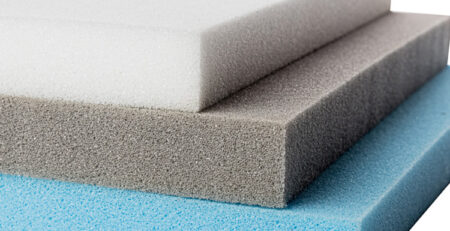
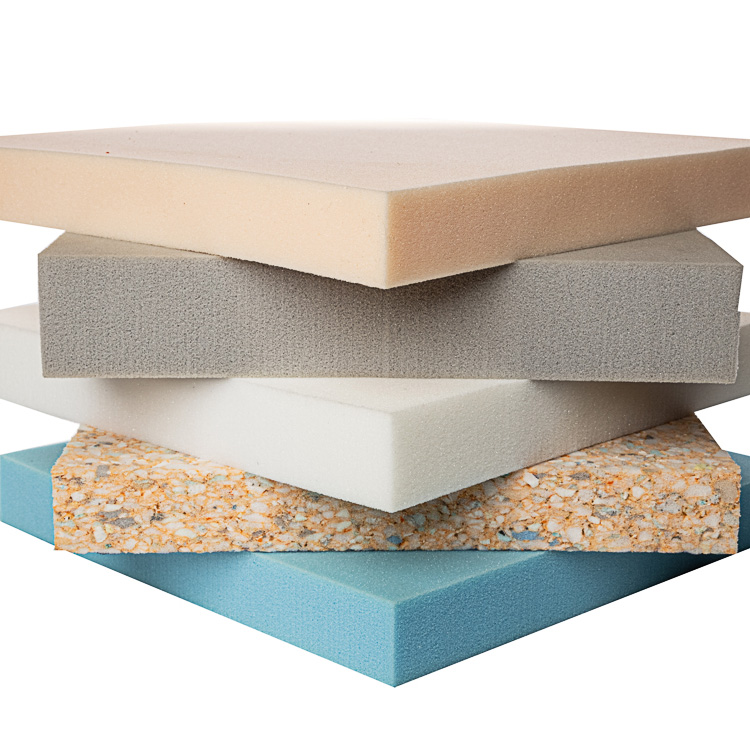
Of course, we’ll start with the standard foam you’d expect to find everywhere, typically in softer platforms, within thick cushions, mattresses, headboards, sundry padding, and many more. This kind of foam clocks in at 24kg/m3 density and has rather decent recovery abilities to return to its default shape.
However, this is typically not used in domestic seating. Nevertheless, this foam is easy to cut and shape, which is why it’s used so commonly across the board.
Medium-Density Foam
Medium-density foam is what you will most likely find in patio furniture and cushions that aren’t in a high-traffic area. It’s normally made out of polyurethane and is the standard, less expensive option for the marine industry. While it may not be entirely as waterproof as traditional open-cell foam, if you’re just looking to redo outdoor furniture or maybe your camper, then this is a perfect option.
High-Density Polyurethane Foam
In our own store, this is typically referred to as High-Density Medium Grey Reflex Foam (V40) If you need upholstery foam for your couch, chairs, or any other household furniture that will be used daily, then a high-density polyurethane foam can make your dreams come true. This is the type of foam that you think of when sitting down in your favorite chair after a long day.
In short, it’s a very versatile type of foam, and as the ‘reflex’ suggests, this foam is incredibly capable of returning to its original shape and maintaining its integrity. It’s for this reason you’ll find this foam everywhere, including sofa seats, chair seats, garden furniture cushions, and so on.
However, it’s not the best if you’re looking for something waterproof. Where this foam truly excels is in its ability to be still as comfortable as it was when it was new, up to twelve years down the line. This foam type is also available in an aesthetically pleasing pink.
High-Density Firm Blue Foam (V33)
If you love the features of the foam type above, but you’re looking for something a little lighter, perhaps in the form of thinner window seats, bench seats, and other opportunities where you don’t want something too thick, then this high-density foam is for you.
This is a medium-thickness foam typically used for seating in caravans and boats, but you can, of course, use it where you want. Basically, for any application under 10cm, you’re going to want to use this foam. Anything over you will go for the Reflex foam option above.
Chip-Foam (6lb Reconstituted)
Finally, we come to chip foam, which to look at may seem a little strange if you’re new to it, but the chances are you’ve seen this foam used throughout your life. Typically, it’s this foam used in applications like gym mats, gyms, and exercise mats where the main aim is to absorb as much of an impact as possible.
However, this foam does have plenty of other uses, including garden kneelers, wheelchair seats, and other general-purpose seating options. This foam is considered heavy yet rather durable, so if you’re looking for a resilient foam, this form is well worth your time.
The Tip of the Iceberg
These few types of upholstery foam are just the tip of the iceberg. There are so many more subcategories and material types that you could be researching for days.
If you’re feeling confused about all of your options, then a professional might be able to help you choose what you need for your specific application. Whatever your project is right now, sometimes the most crucial step is just getting started.